Spring Honey: Characteristics, Harvesting, and the Role of Bees
Even though temperatures are still a bit cool at the start of the season, spring is definitely here. Along with the first blooms comes spring honey, a testament to the bees’ hard work and the richness of biodiversity.
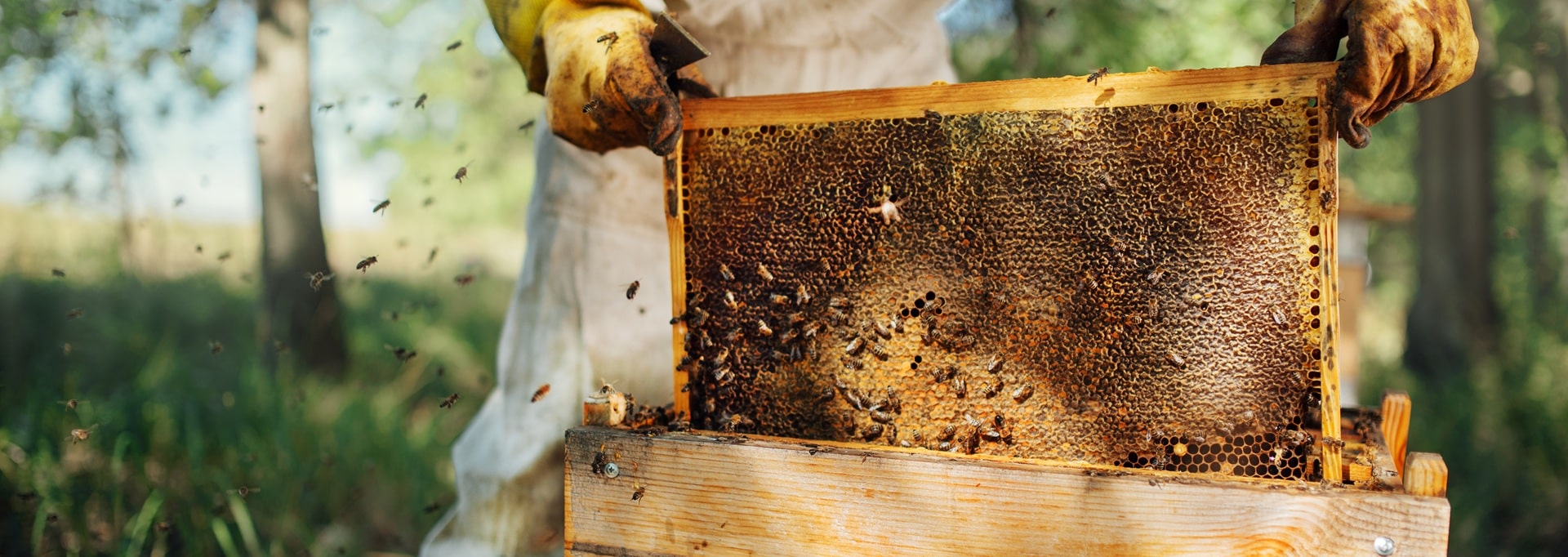
Spring honey is often one of the first honeys harvested each year. It is produced from the season’s first major blooms: fruit trees, hawthorn, rapeseed, clover, dandelions, and wildflowers, depending on the region. This is what generally gives it a light color, a smooth texture, and delicate floral aromas.
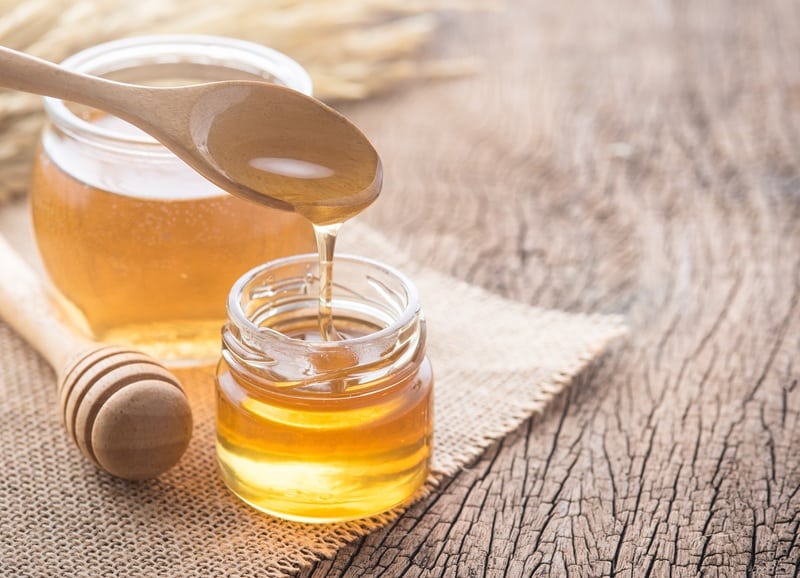
Why is spring honey so special?
However, the characteristics of spring honey can vary from one harvest to the next. Weather conditions, the variety of flowers available, and the bees’ foraging patterns directly influence its composition. This honey therefore truly reflects the richness of its natural environment.
The spring honey harvest also marks a crucial period for the colonies. In the spring, bees resume their intense activity to take advantage of the resources provided by nature. They thus play a major role in pollination and in the proper functioning of ecosystems.
With this in mind,AMEG Group supports pollinator conservation by sponsoring beehives with Un Toit Pour Les Abeilles. Through this commitment, the company helps support local French beekeeping and raises awareness about the importance of bees in our environment.
Spring honey is not only appreciated for its taste. It also serves as a reminder of just how essential bees are to the balance of biodiversity. By supporting their conservation, each of us can do our part to protect a creature as unassuming as it is indispensable.
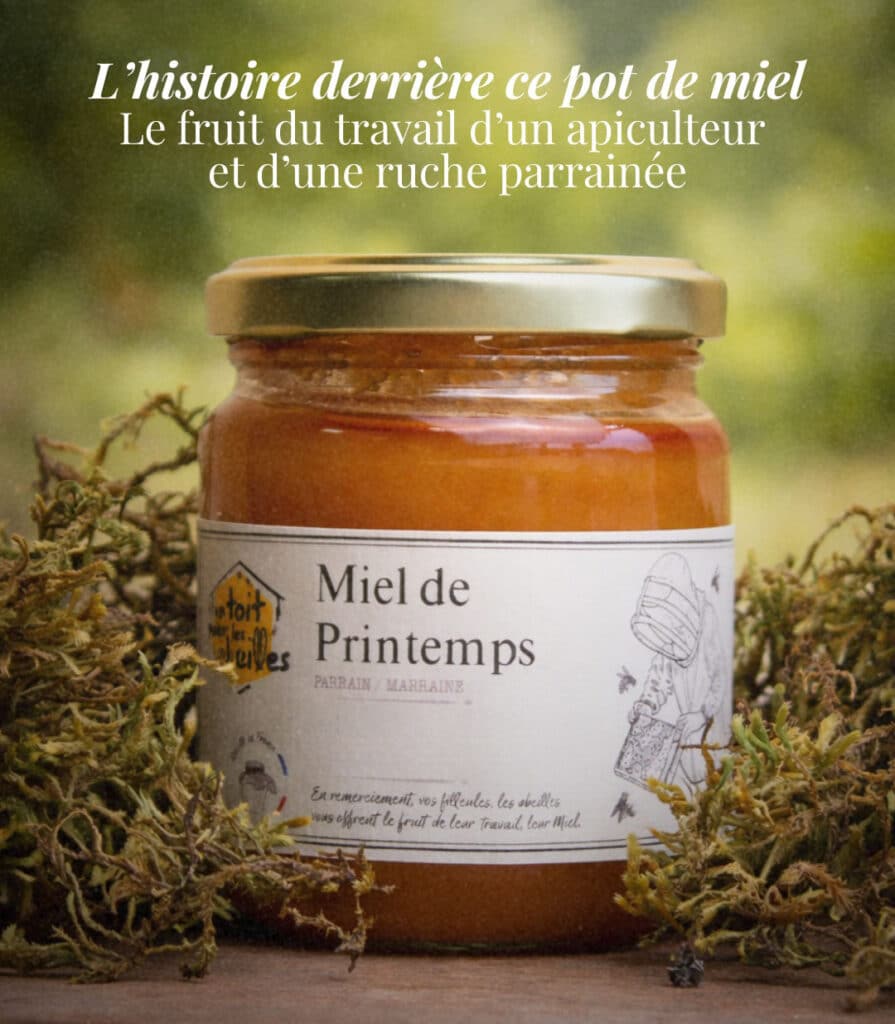
📷: A Home for the Bees
See also
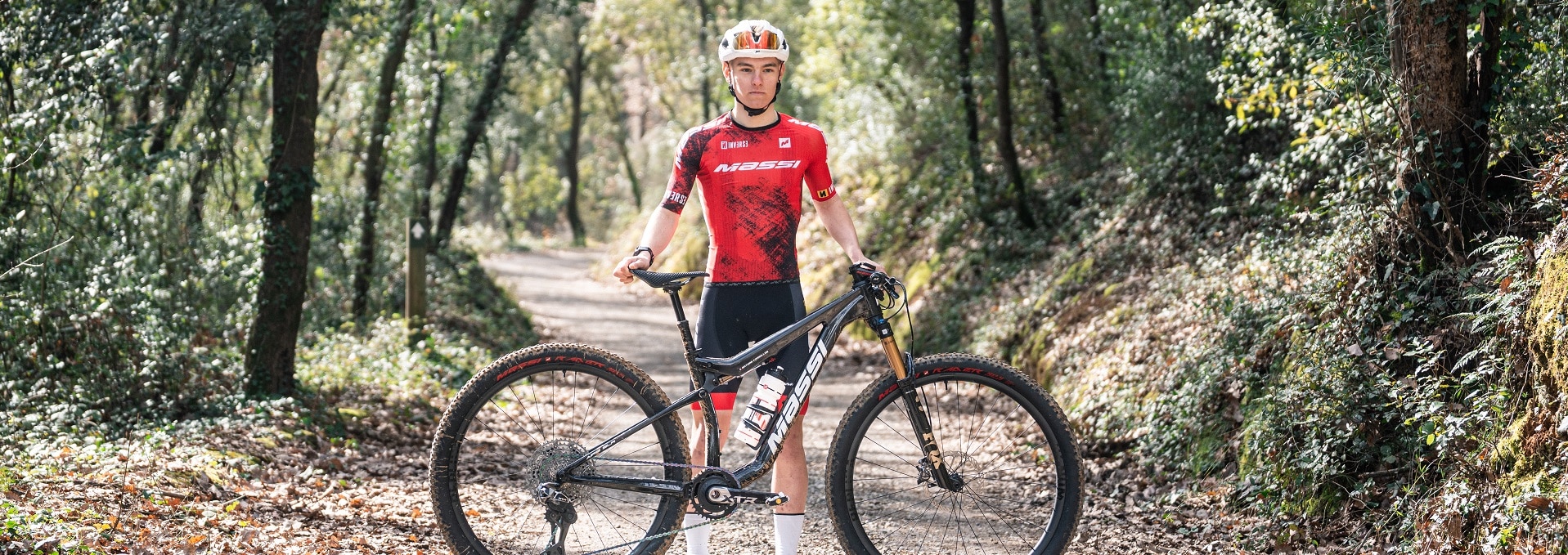
Nathan Cornillon | On the Path to the Very High Level
At age 22, Nathan Cornillon has turned his passion for mountain biking into a true life’s work. In this interview, Nathan shares his journey and what he’s up to these days—from the Massi team and the French national team to training at the highest level—as well as his ambitions and his determination to push his limits.
Read more
Kintana ILTIS | 2026 French Lead Climbing Championships
A few days before the 2026 French Lead Climbing Championships, Kintana ILTIS shared her state of mind, her doubts, her progress, and her ambitions with us. Today, we invite you to read this account, written just before the competition.
Read more